
Semiconductor roadmap
Future Chip Tech For AI, Gaming, And Beyond.
The next wave of rigs depends on what fabs can print, package, power, and cool. EUV, High-NA EUV, multipatterning, and advanced packaging all shape the GPUs, CPUs, NPUs, and memory systems readers will buy later.
How to think about it
Future Chip Tech
The leading-edge production path
ASML EUV systems use 13.5nm light to print the smallest chip features with fewer patterning steps than older deep-ultraviolet flows.
The next EUV resolution step
High-NA EUV increases numerical aperture to improve resolution for future nodes, but it also raises cost, process complexity, and ecosystem requirements.
Huawei-style multipatterning claims
Reported Huawei-linked work points toward extracting more from DUV through aggressive multipatterning, but that usually means more steps, lower throughput, and tighter process control.
Visual hardware guide
Visual References For This Buying Path.
Use these visuals to explore hardware categories, compare specifications and identify the details to check before buying.
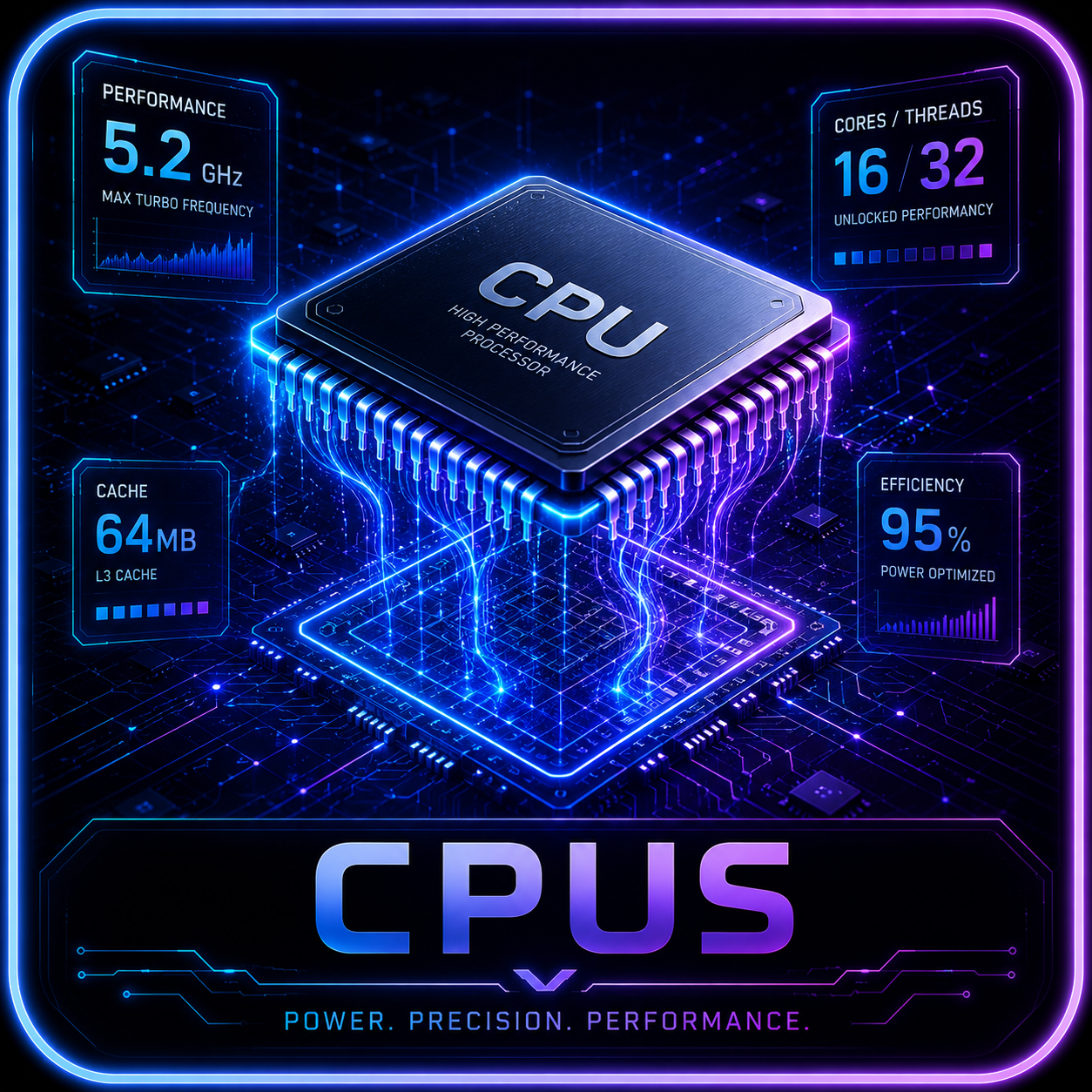 Processors
CPU choices need socket, chipset, cooling, BIOS, and workload context before they become recommendations.
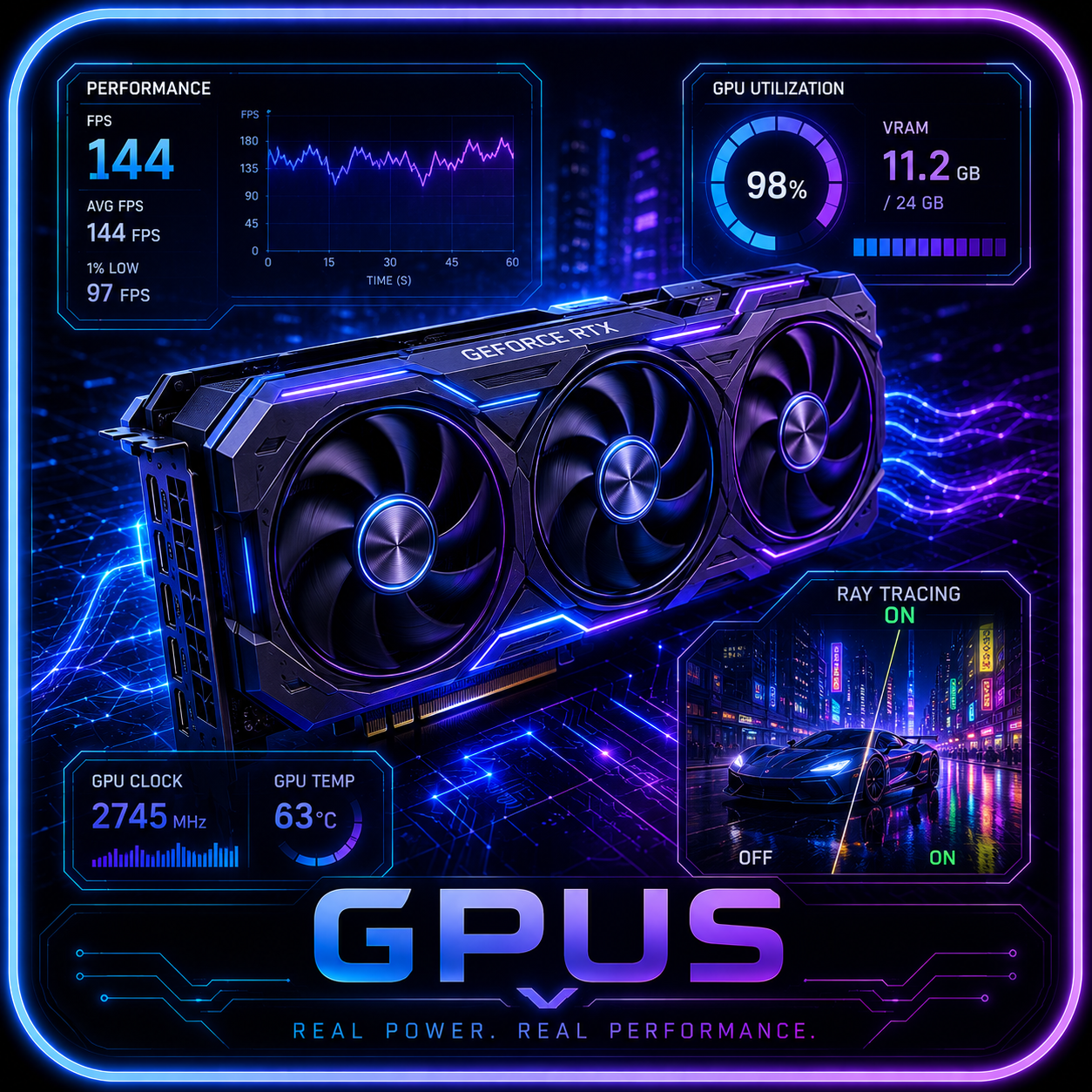 Graphics Cards
GPU picks should match resolution, VRAM needs, case clearance, PSU connectors, and airflow.
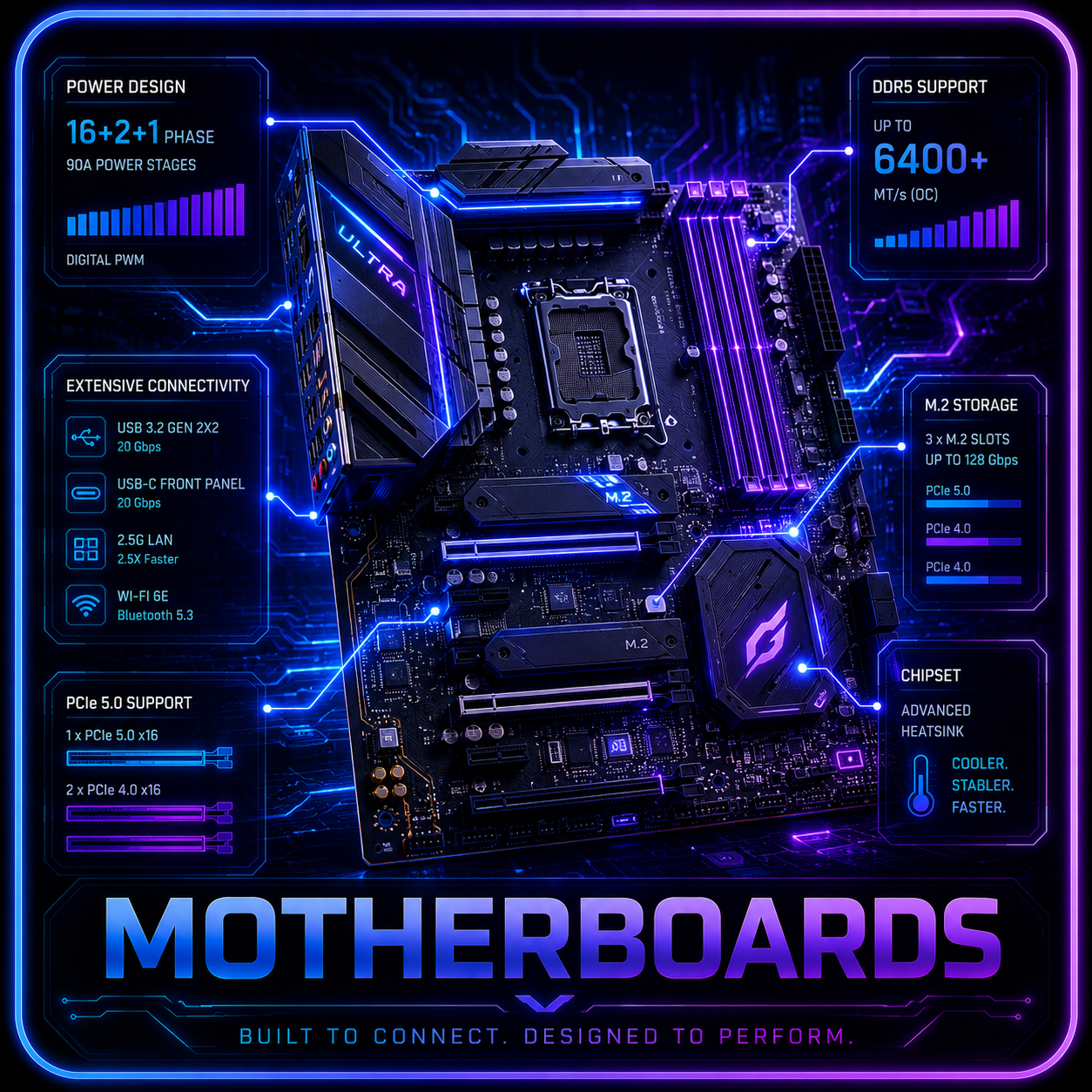 Motherboards
The board sets the socket, memory generation, expansion path, storage layout, and upgrade risk.
 Memory
RAM upgrades depend on DDR generation, slot count, capacity ceiling, speed support, and matched kits.
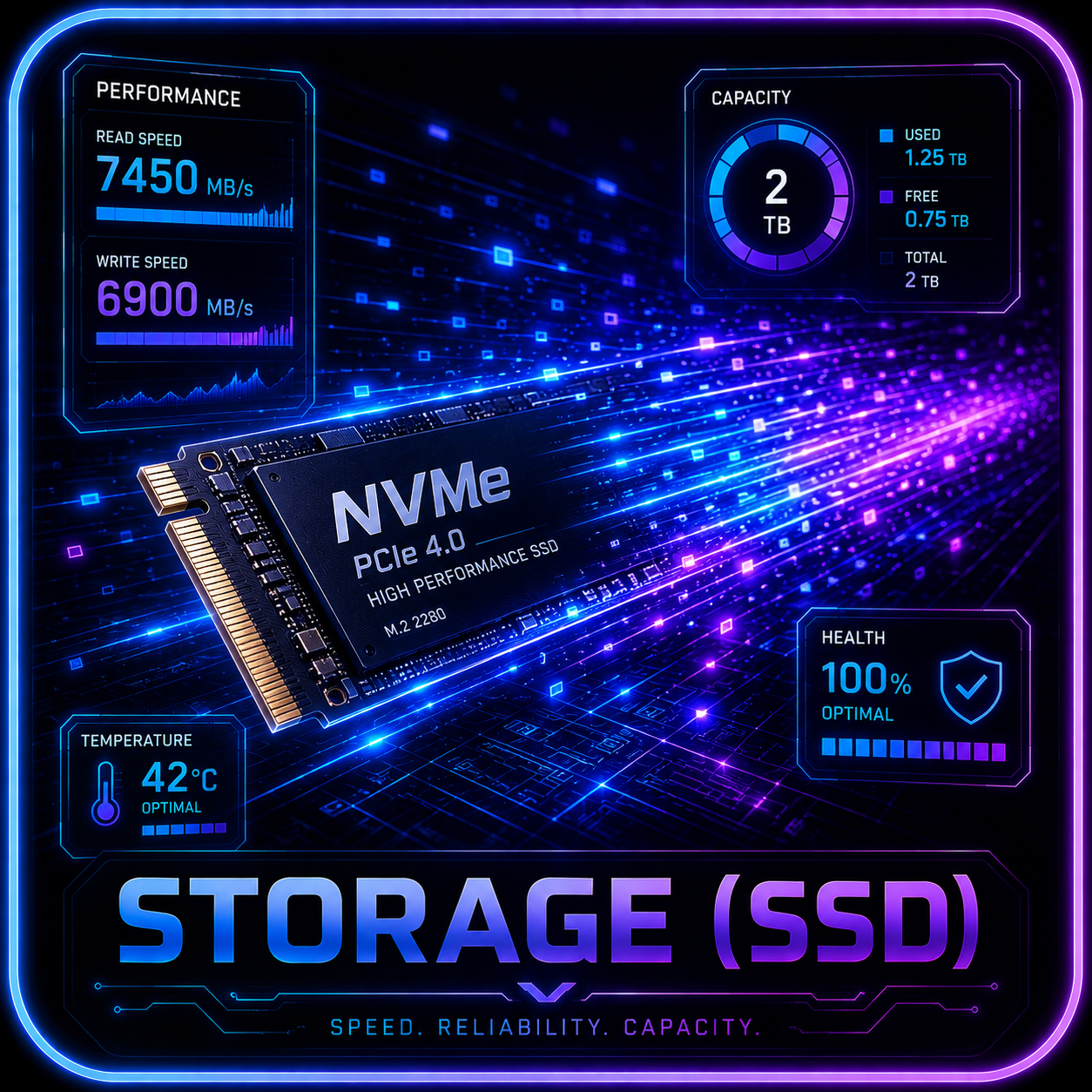 Storage
SSD recommendations need M.2 slot, heatsink, lane sharing, capacity, endurance, and migration checks.
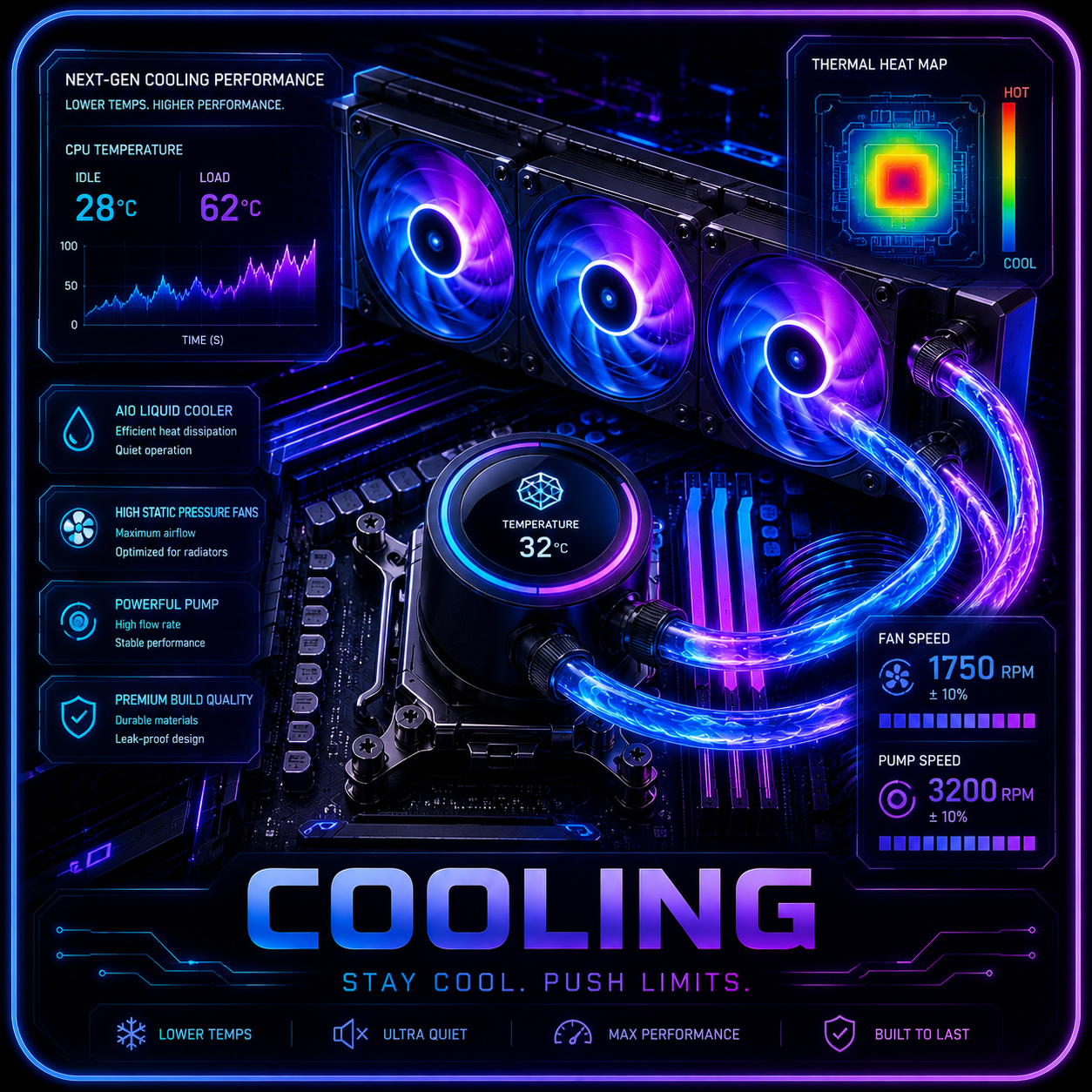 Cooling
Cooling checks include radiator support, fan mounts, pump behavior, noise, dust access, and sustained thermals.
Manufacturing reality
The Cutting Edge Is A Stack, Not One Magic Machine.
Modern chips come from lithography, deposition, etch, metrology, packaging, power delivery, memory, and software stacks working together. EUV gets the spotlight because it patterns the smallest layers, but future AI and gaming performance depends on the whole pipeline.
Why it matters
What This Means For AI, Gaming, And Buyers.
AI Rigs Need Memory Bandwidth
Local AI performance is not only compute. VRAM capacity, HBM supply, memory bandwidth, interconnect, storage, and thermals decide which models feel practical.
Gaming GPUs Follow The Fab Curve
Better process nodes can improve performance per watt, but gaming value still depends on die size, memory bus, VRAM, pricing, drivers, cooling, and what competitors ship.
Supply Chains Shape Availability
Export controls, domestic tool development, foundry capacity, packaging bottlenecks, and memory supply can affect what hardware reaches consumers and how it is priced.
Older Nodes Still Matter
Chipsets, controllers, power management, networking, storage, displays, and many embedded parts do not need the newest node. The finished rig depends on mature nodes too.
Claims Need Verification
A patent, demo, or roadmap claim is not the same as high-volume yield. Treat future-node claims as watchlist signals until products prove performance, cost, power, and availability.
Rigs Are System Products
The best future chip still has to land in a balanced PC with enough cooling, power, memory, storage, drivers, warranty, and price discipline.
This page should explain the roadmap without pretending every claimed technique is production-ready. We distinguish ASML-published EUV/High-NA paths from reported Huawei-linked DUV multipatterning proposals and from proven consumer hardware.
Source trail
What To Check As The Roadmap Changes.
Use this page as a living watchlist. Before turning future-chip claims into buying advice, check whether the technology is published, sampled, in production, or actually inside consumer products.
Baseline explanation of DUV, EUV, and how lithography patterns chip features.
High-NA reporting Commercial High-NA EUVContext on ASML High-NA EUV reaching Intel and the manufacturing implications of 0.55 NA tooling.
Industry reporting Huawei Roadmap WatchUseful watchlist context for Huawei claims around architectural and manufacturing workarounds; treat as claims/reporting until production proof exists.
Search your need
Search By Need.
Search by use case, budget, GPU, VRAM, monitor target, or review topic.
A plain-English roadmap for EUV, High-NA EUV, DUV multipatterning, packaging, and what semiconductor manufacturing changes mean for AI rigs, gaming PCs, and future hardware.
Help improve this page
Found A Better Lead Or Real-World Detail?
Send a qualified product lead, correction, owner note, or review request. Strong submissions include exact model numbers, URLs, price context, workload, warranty notes, and what should be verified before publication.